


Common Gutter Installation Shortcuts (And Why They Cost Homeowners Later)
Most homeowners assume a gutter installation is pretty straightforward. Measure, hang, done….right?
Not exactly.
The truth is, gutters only work as well as the details behind the scenes. When installers take shortcuts (often to save time or lower bids), the problems don’t show up right away. They show up months or years later usually during a heavy rainstorm, an icy winter, or when water starts showing up where it shouldn’t.
Let’s break down the most common gutter installation shortcuts, why they happen, and how they end up costing homeowners far more than they saved upfront.
Shortcut #1: Improper Gutter Slope
What happens:
Gutters must be installed with a precise slope so water flows toward the downspouts. Too flat? Water sits. Too steep? Water rushes past debris and splashes over the edge.
Why installers cut corners:
Achieving the correct slope takes time, measurements, and patience. Rushing crews often eyeball it.
What it costs homeowners later:
Standing water that leads to corrosion and sagging
Overflow during moderate rain
Ice buildup in winter climates
👉 This is one of the hidden causes behind issues discussed in Top 5 Signs You Need New Gutters (Before They Cause Bigger Problems).
Shortcut #2: Using Spikes Instead of Hidden Hangers
What happens:
Traditional gutter spikes loosen over time as fascia boards expand and contract. Gutters slowly pull away from the house.
Why installers cut corners:
Spikes are faster and cheaper than modern hidden hangers.
What it costs homeowners later:
Gutters separating from the roofline
Water running behind the gutter instead of into it
Fascia rot and paint damage
A clean-looking install today can quietly become structural damage tomorrow.
Shortcut #3: Incorrect Downspout Placement
What happens:
Too few downspouts (or poorly placed ones) force gutters to handle more water than they were designed for.
Why installers cut corners:
Adding downspouts takes more material, more labor, and more planning.
What it costs homeowners later:
Persistent overflow at specific sections
Water pooling near the foundation
Premature gutter failure
This often ties directly into problems homeowners assume are “normal,” but aren’t.
Shortcut #4: Undersized Gutters for the Roof
What happens:
Not all roofs shed water at the same rate. Steep pitches, valleys, and large roof planes require properly sized gutters.
Why installers cut corners:
Standard sizing is easier than calculating roof water volume.
What it costs homeowners later:
Gutters overwhelmed during heavy rain
Frequent overflow despite “new” gutters
Unnecessary repairs or replacement years too early
If you’ve ever wondered whether your system is keeping up, this connects closely to Are Seamless Gutters Worth the Cost? Here’s What Every Homeowner Should Know.
Shortcut #5: Poor Fascia Preparation
What happens:
Gutters get installed over rotting or soft fascia boards without repair.
Why installers cut corners:
Addressing fascia issues slows down the job and complicates estimates.
What it costs homeowners later:
Fasteners pulling loose
Gutters sagging unevenly
Hidden wood rot that spreads
This is one of the most expensive shortcuts because the damage stays invisible—until it isn’t.
Shortcut #6: Ignoring Seamless Installation Best Practices
What happens:
Seams are placed where they shouldn’t be or unnecessary seams are added.
Why installers cut corners:
Poor planning or lack of proper equipment.
What it costs homeowners later:
Leaks at seam points
Increased maintenance
Shorter system lifespan
This undermines the very reason homeowners choose seamless systems in the first place. If you’re curious how it should be done, reference How Seamless Gutter Installation Works: Step-by-Step Guide for Homeowners.
Why These Shortcuts Keep Happening
Here’s the uncomfortable truth:
Many gutter problems aren’t caused by storms, trees, or “bad luck.”
They’re caused by rushed installs, undertrained crews, or bids that prioritize speed over craftsmanship.
When pricing is the only differentiator, something usually gets sacrificed—and it’s rarely obvious on day one.
How Homeowners Can Protect Themselves
Before hiring any installer, ask:
How do you calculate gutter slope?
What fastening system do you use?
How do you determine gutter and downspout sizing?
Will you inspect fascia before installation?
The answers matter more than the price tag.
The Pearson Promise
At Pearson’s, we believe gutters should be installed once and installed correctly.
That means no shortcuts, no guesswork, and no surprises years down the road. Every system is designed to manage water efficiently, protect the structure of the home, and look clean along the roofline.
If you’re unsure whether your current gutters were installed the right way or you want a system done right from the start—we’re here to help.
👉 Request your free estimate today and experience The Pearson Promise.

Questions Homeowners Forget to Ask Before Replacing Gutters
Questions Homeowners Forget to Ask Before Replacing Gutters Is [...]
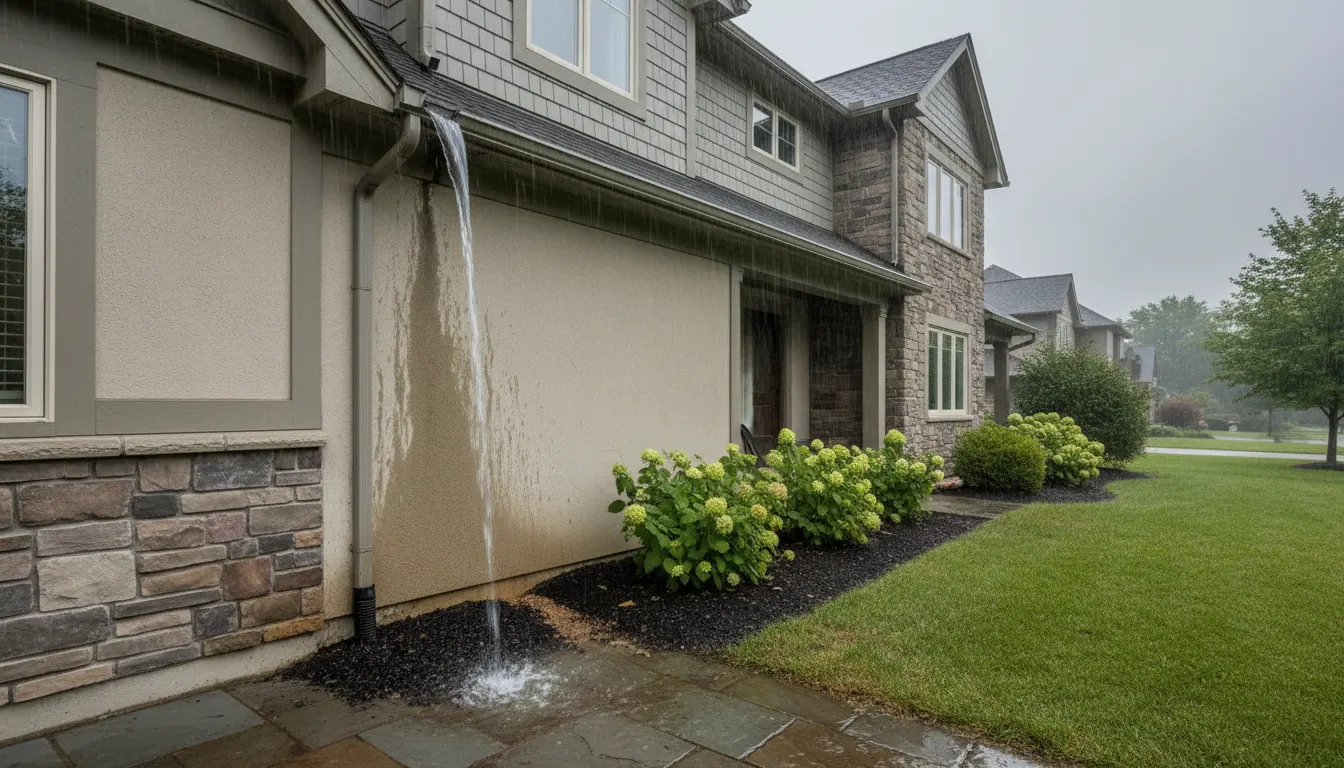
How Improper Drainage Can Damage Your Home (Beyond the Foundation)
How Improper Drainage Can Damage Your Home (Beyond the [...]

Why Spring Is the Best Time to Upgrade Your Gutters
Why Spring Is the Best Time to Upgrade Your [...]
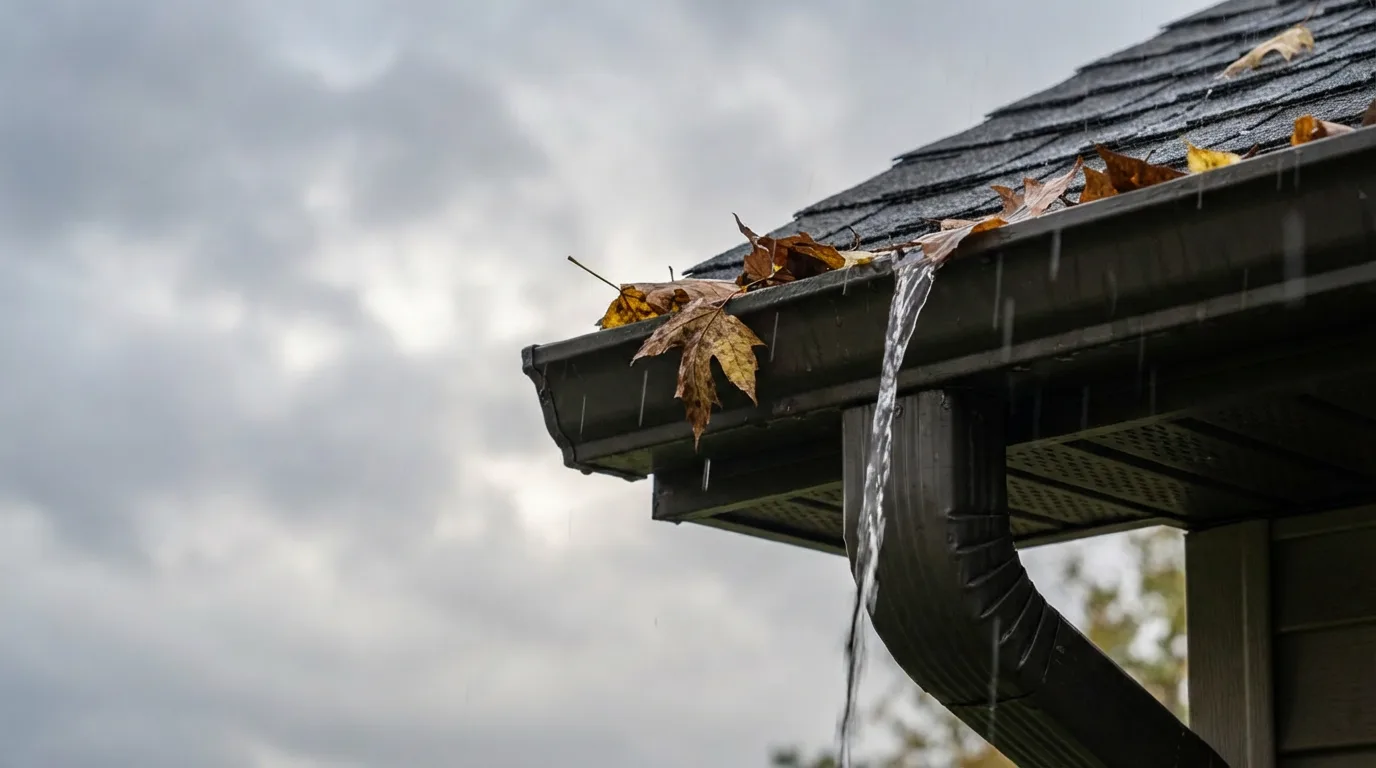
How Weather Patterns Affect Your Gutter System Year-Round
How Weather Patterns Affect Your Gutter System Year-Round Most [...]
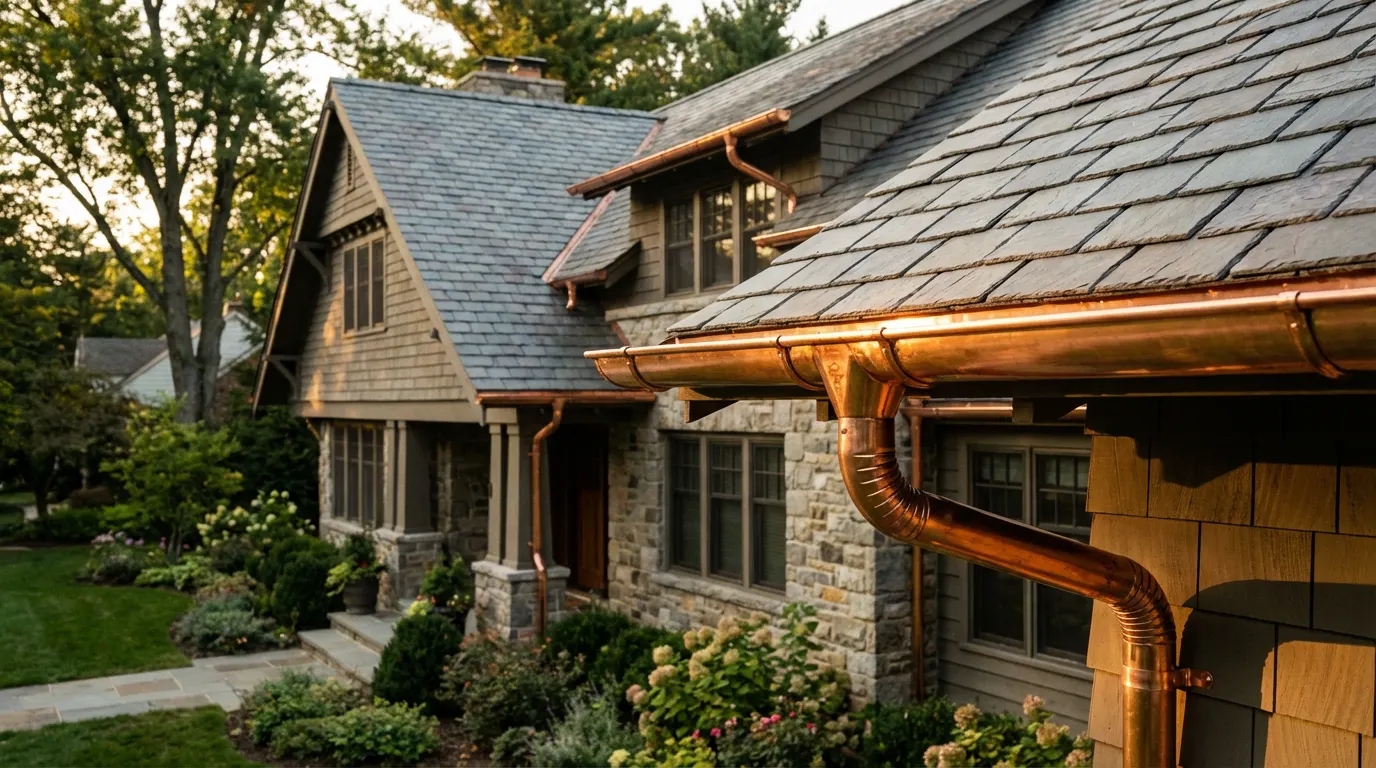
What Makes Copper Gutters a Lifetime System
What Makes Copper Gutters a Lifetime SystemCopper gutters aren’t chosen [...]
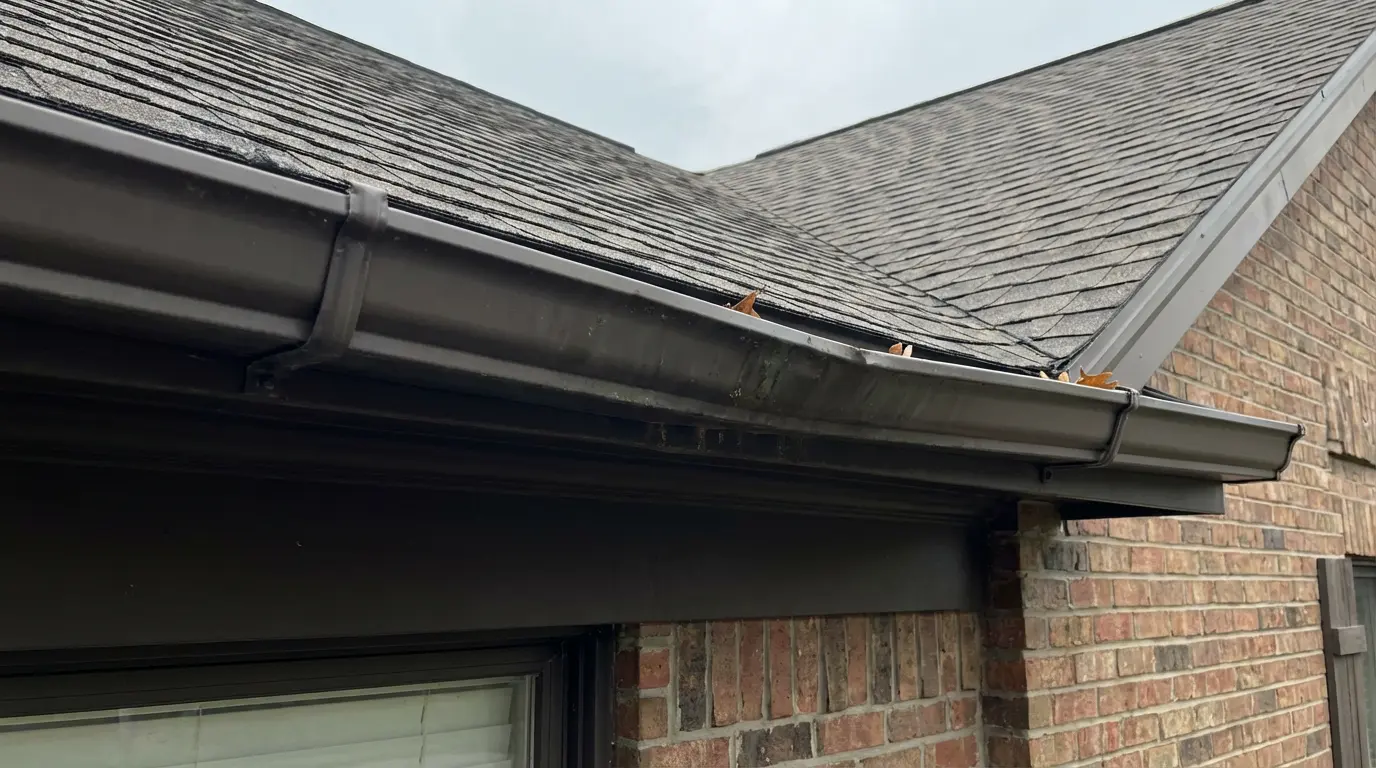
When Aluminum Gutters Fail (And What Usually Causes It)
When Aluminum Gutters Fail (And What Usually Causes It) [...]

A Homeowner’s Breakdown of Gutter Materials (From Budget to Premium)
A Homeowner’s Breakdown of Gutter Materials (From Budget to Premium)If [...]